Antenna Projects Inspired by DG1JAN
One of the things I enjoy most about amateur radio is building and experimenting with antennas — especially designs that are simple, efficient, and well documented.
Over time, I’ve built several antenna projects designed by Jan, DG1JAN, a German radio amateur who publishes excellent and practical designs on GitHub. His projects focus on portability, reproducibility, and real-world performance — a perfect match for POTA, SOTA, and travel operations.
You can find Jan’s work here: https://github.com/DG1JAN
This post documents the antennas I’ve built based on his designs and how I’ve used them.
UniBalun Project
Project: https://github.com/DG1JAN/UniBalun
The UniBalun is a versatile design that can be built in multiple impedance ratios depending on the intended antenna. I’ve built several versions of this project, each serving a different purpose.
Built Versions
-
49:1 UnUn Used primarily for End-Fed Half Wave (EFHW) antennas.
-
1:1 Current Balun General-purpose use and testing.
-
4:1 Balun Built specifically for a 20 m Delta Loop, where it performed very well.
-
9:1 UnUn Used for an End-Fed Random Wire (EFRW) antenna that has accompanied me on multiple trips and portable activations.
This modular approach makes the UniBalun project especially attractive — the same core design can be adapted to many antenna types simply by changing the winding ratio.
 Various UniBalun builds (49:1, 4:1, 1:1, and 9:1) used for EFHW, Delta Loop, and EFRW antennas.
xOTA Antenna
Project: https://github.com/DG1JAN/xOTA-Antenna
The xOTA antenna is clearly designed with portable operation in mind — lightweight, efficient, and easy to deploy in the field.
I’ve built the xOTA antenna in two configurations:
- 49:1
- 9:1
Both versions were wound on an FT-140-43 ferrite core, providing a good balance between power handling and portability.
This antenna has been used successfully for portable HF operation, including POTA-style activations, where fast setup and reliable performance are essential.
 xOTA antenna build using an FT-140-43 core, configured for portable operation.
221-UnUn Project
Project: https://github.com/DG1JAN/221-UnUn
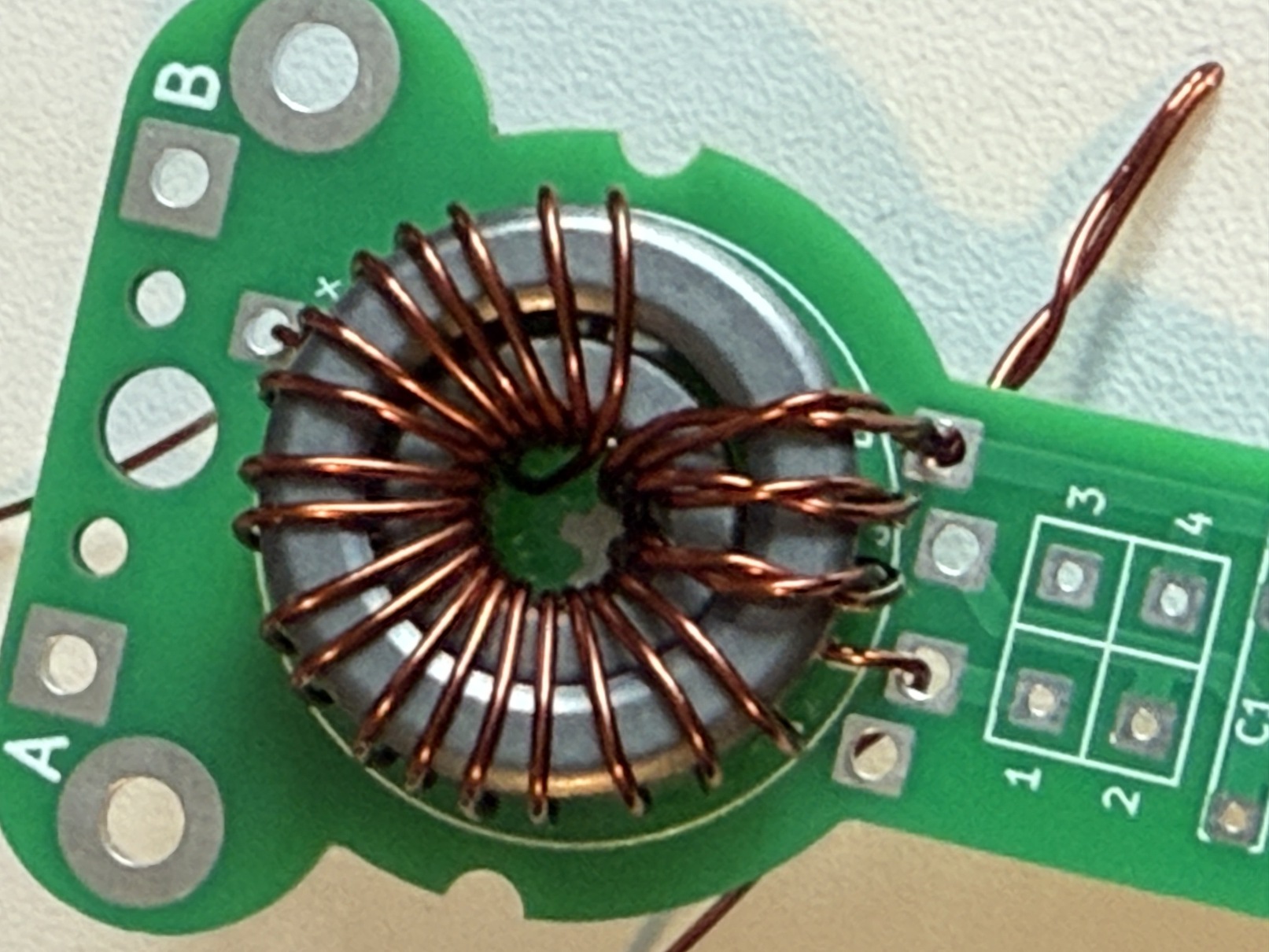
The 221-UnUn is an interesting and slightly more specialized design. My current build is configured as an End-Fed Half Wave (EFHW) with links to cover the WARC bands:
- 30 m
- 17 m
- 12 m
Using links allows quick band changes while keeping the antenna efficient and well matched — an excellent solution for portable or semi-portable setups where flexibility matters.
This antenna is still evolving, and future configurations are very likely.
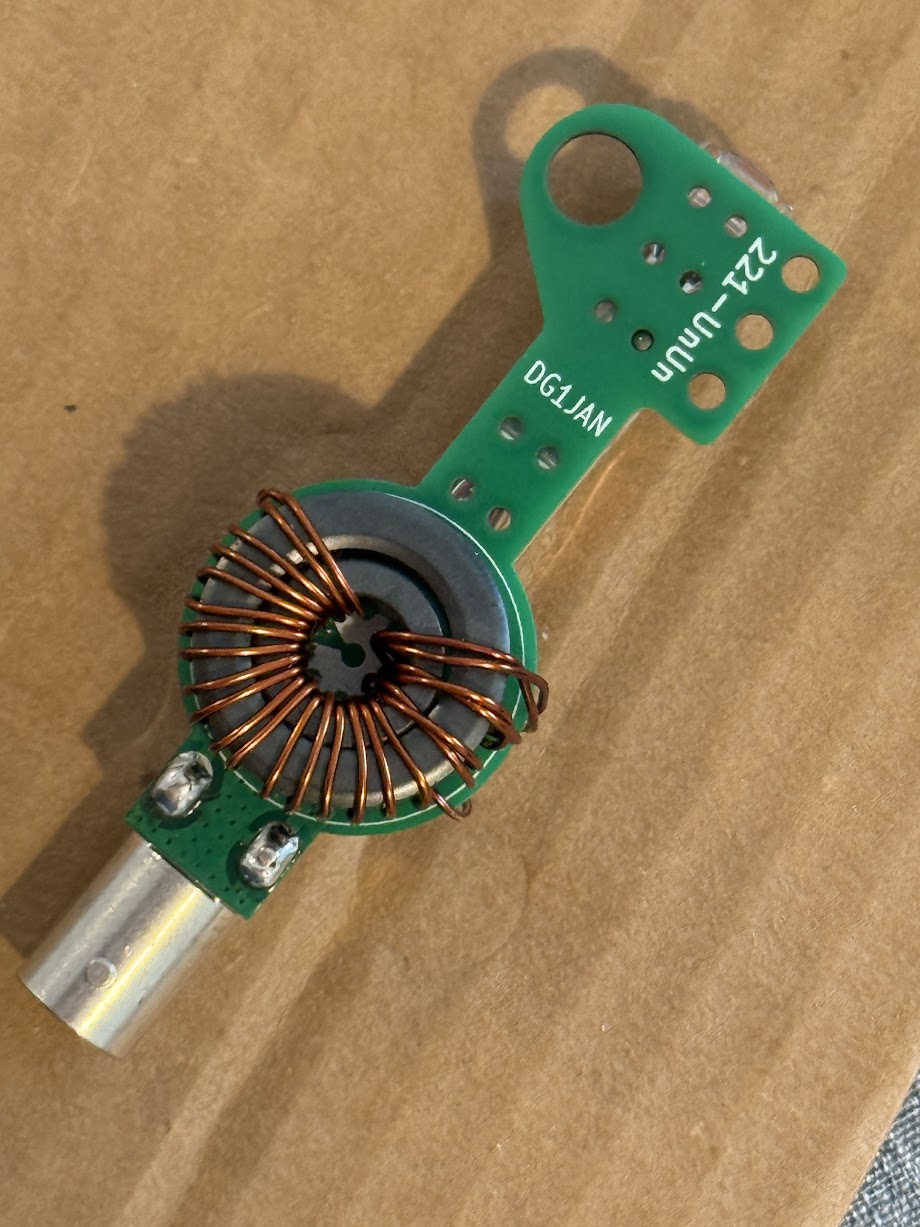 221-UnUn configured as an EFHW with links for the WARC bands (12 m, 17 m, and 30 m).
Final Thoughts
Jan’s projects stand out for their clarity, solid engineering, and practical focus. Building these antennas has not only expanded my antenna toolbox but also improved my understanding of impedance matching and real-world antenna behavior.
All of these designs have proven themselves on the air, especially in portable scenarios where simplicity and reliability matter most.
Highly recommended projects for anyone interested in antenna building — and even more so if you enjoy operating outdoors.
73